
Featured illustration: Archi Talkies / AI-assisted concept image
Every January, Dubai unveils a fresh round of “world’s tallest,” “world’s first” and “world’s largest” – and within days the renders are everywhere, shared as if the buildings already exist. Nine months later, the skyline tells a more honest story. Some of this year’s headline projects are racing ahead. Some are only now getting ready to dig. And one of the most famous is still waiting for its construction tender.
So here is where Dubai’s biggest projects actually stand in 2026: what’s built, what’s under construction, what’s preparing to start, and what is still, for now, a render.
Under Construction: Al Maktoum International Airport
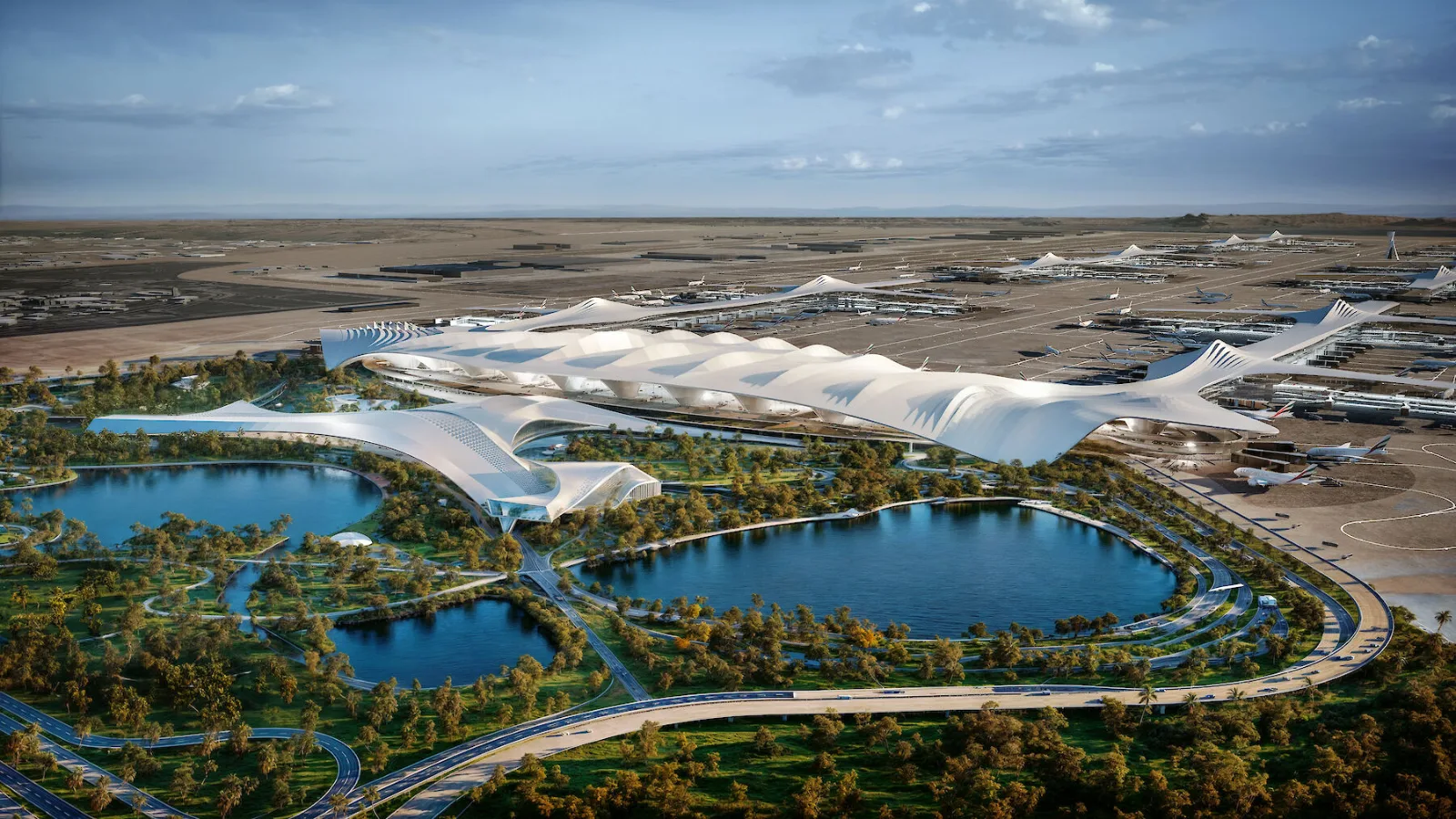
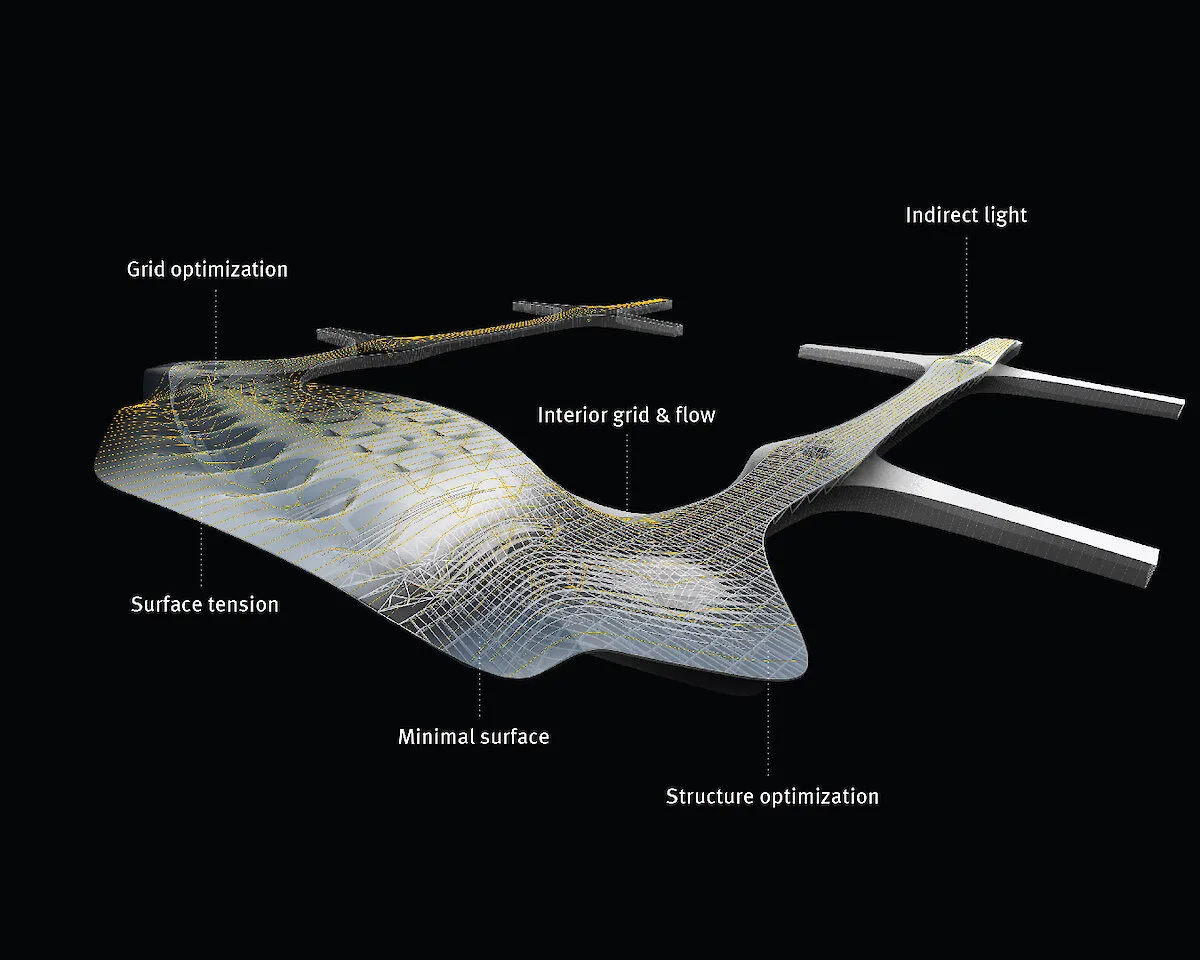
This is the one moving at the pace it promised. In June 2026, Crown Prince Sheikh Hamdan bin Mohammed confirmed that the first phase of Al Maktoum International’s expansion is on track to open in 2032 – a firm date, not a placeholder. The scale is hard to picture: a $35 billion project covering 70 square kilometres, about five times the size of Dubai International, built to eventually handle 260 million passengers a year. The new passenger terminal is designed by Coop Himmelb(l)au, which won the 2024 design competition, working with Dar Al-Handasah.
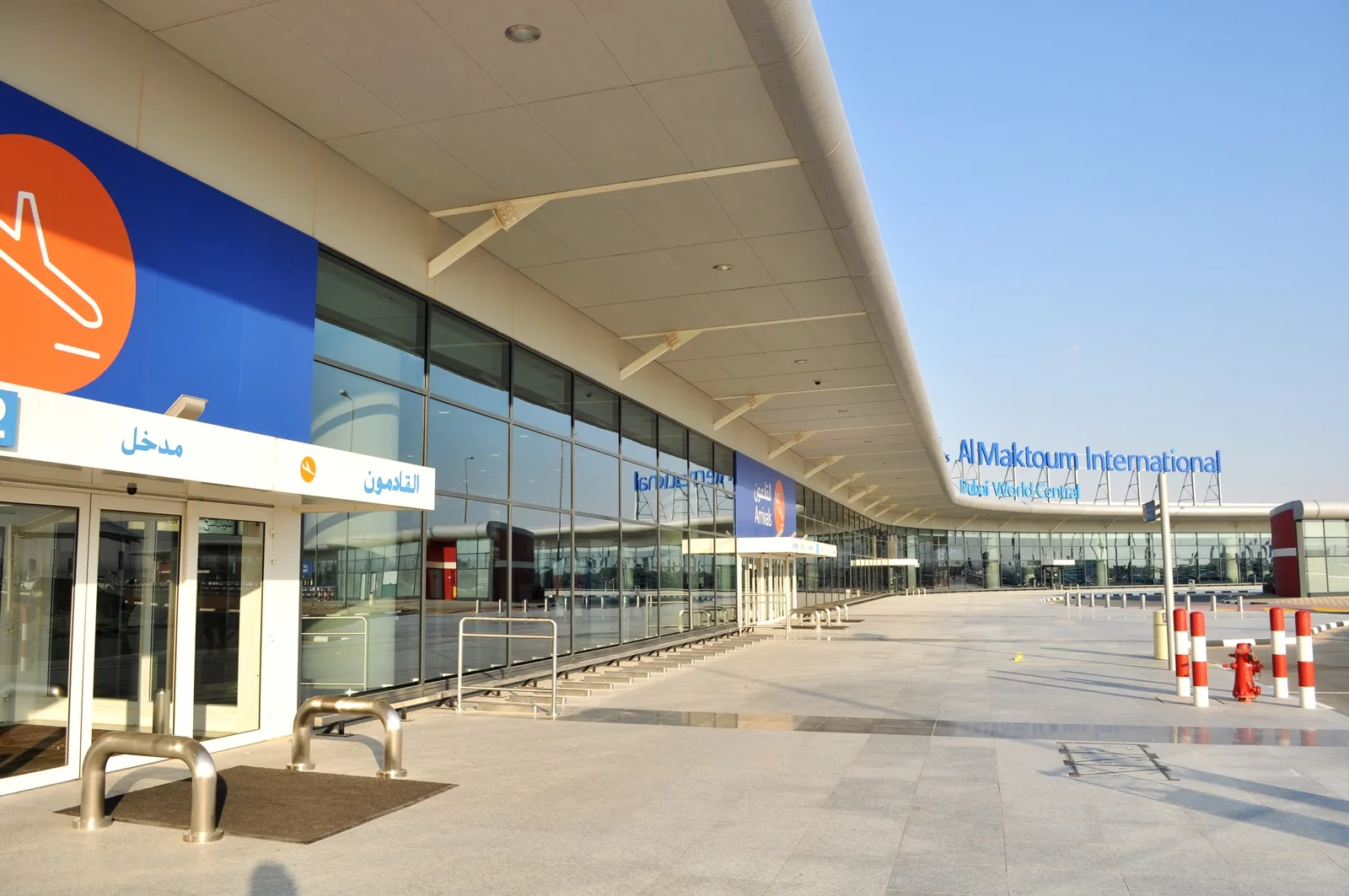
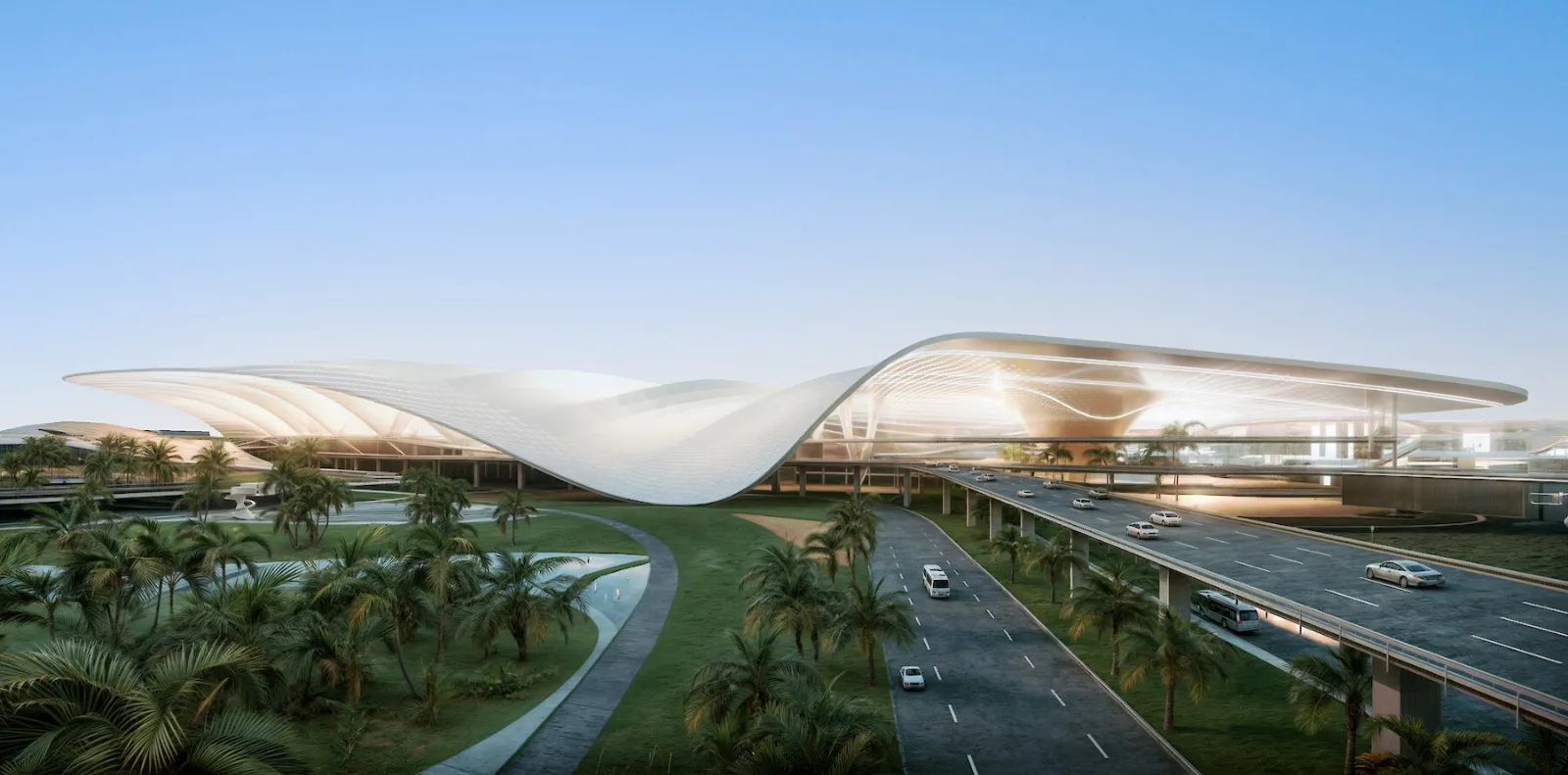
The money is already moving, too. Contracts worth AED 13 billion are being executed, another AED 55 billion are lined up to be awarded, and Emirates has committed $10–12 billion of its own. This isn’t a rendering anymore – it’s the largest live construction programme in the region, and one of the most consequential architecture and infrastructure projects currently underway in the Gulf.
Under Construction: Burj Binghatti Jacob & Co
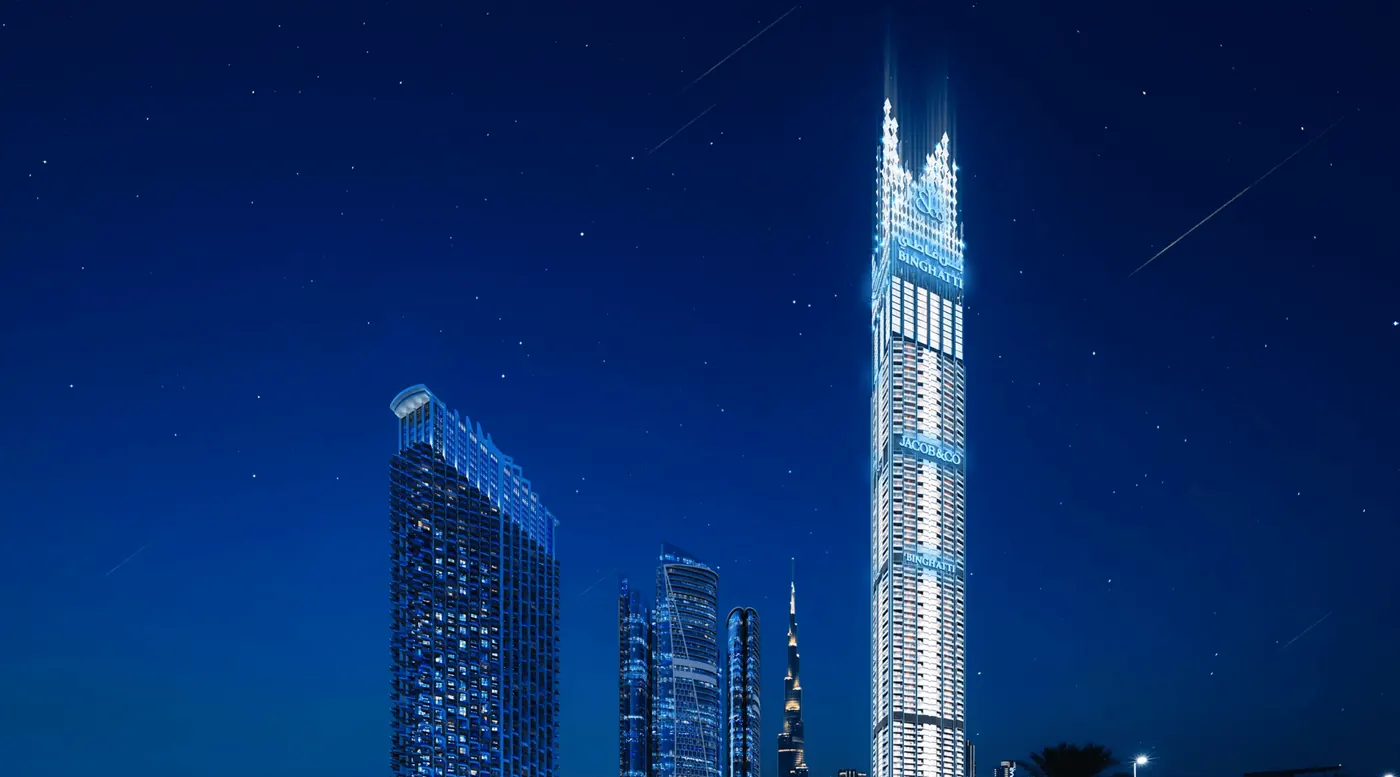
In Business Bay, Burj Binghatti Jacob & Co is visibly climbing. Set to rise more than 550 metres across 105 floors, with a diamond-faceted crown designed in collaboration with luxury jeweller Jacob & Co, it is on track to become the world’s tallest residential tower.
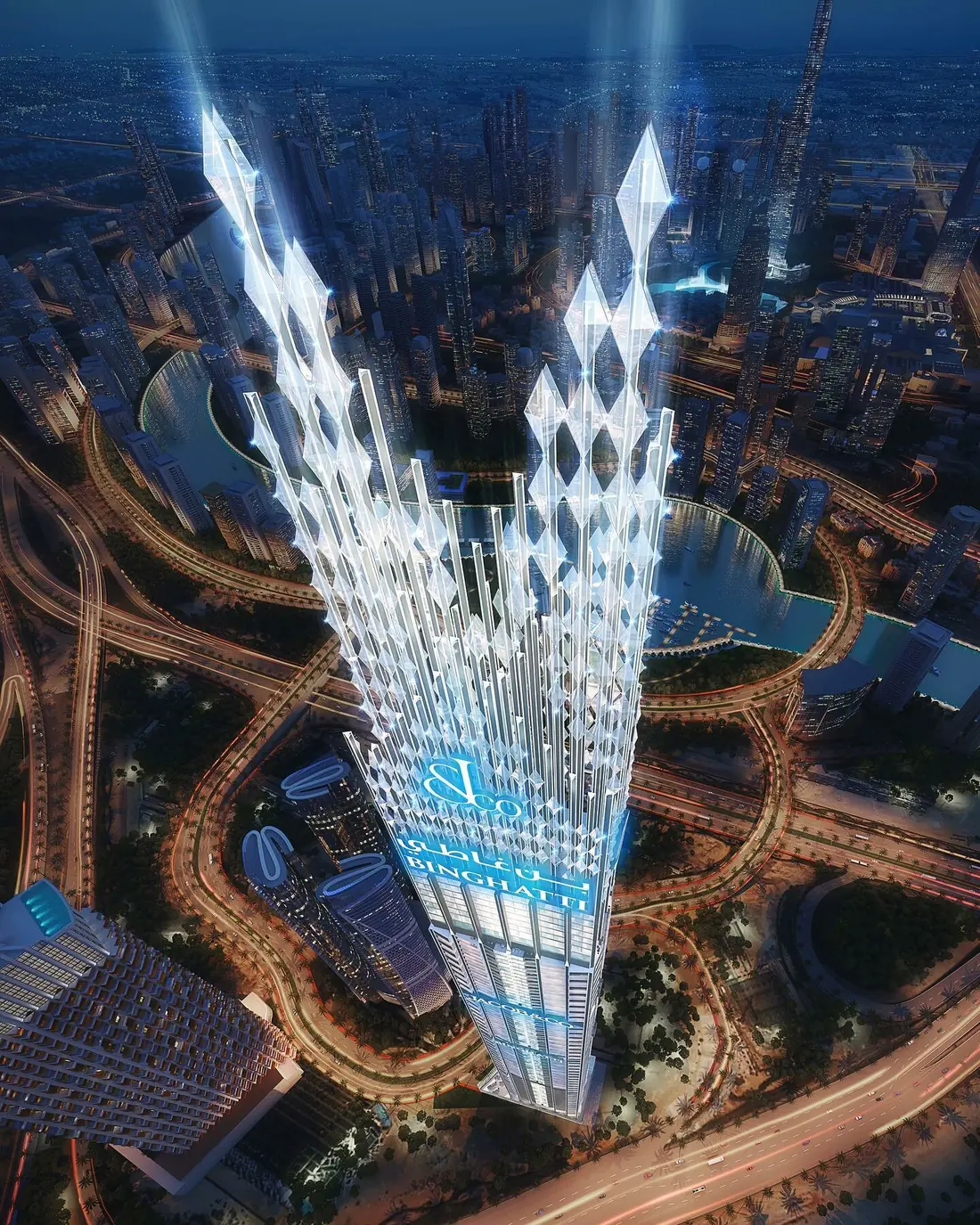
One correction worth making: it won’t be finished in 2026, as some earlier coverage – including the developer’s own earlier materials – suggested. The current expected completion is 2027. If you’re tracking “world’s tallest residential tower” claims, that’s the date to hold onto.
Preparing to Start: The Dubai Loop
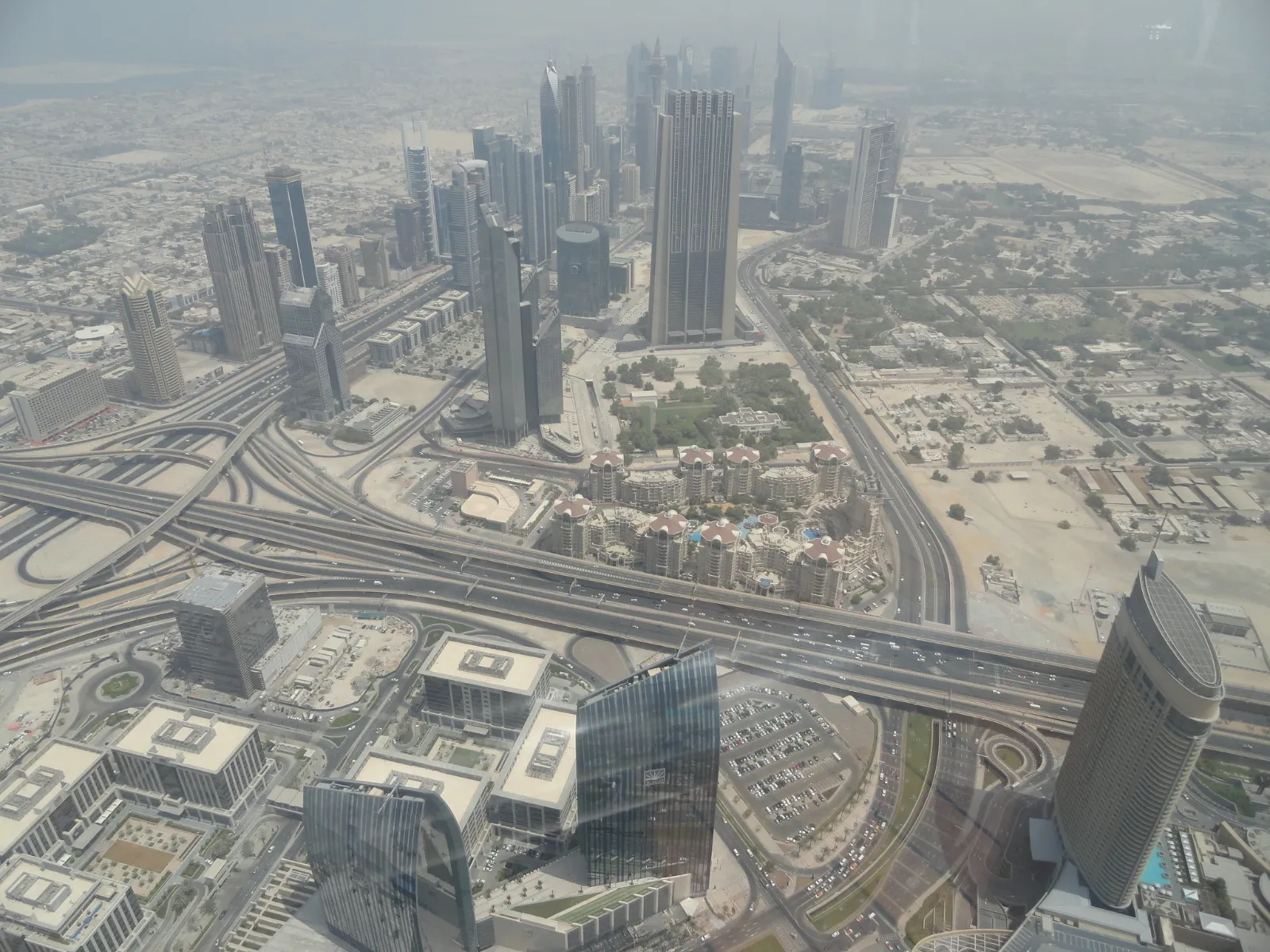
The Boring Company’s Dubai Loop has moved from “under review” to real preparatory work – but despite some headlines, it hasn’t broken ground on its tunnels yet. As of late September 2026, the tunnel boring machine is being assembled and concrete tunnel segments are being cast, with tunnelling expected to start before the end of the year. The first phase – 6.4 km and four stations – will link DIFC with Burj Khalifa and Dubai Mall, turning a 20-minute drive into a roughly three-minute ride in autonomous Tesla vehicles.
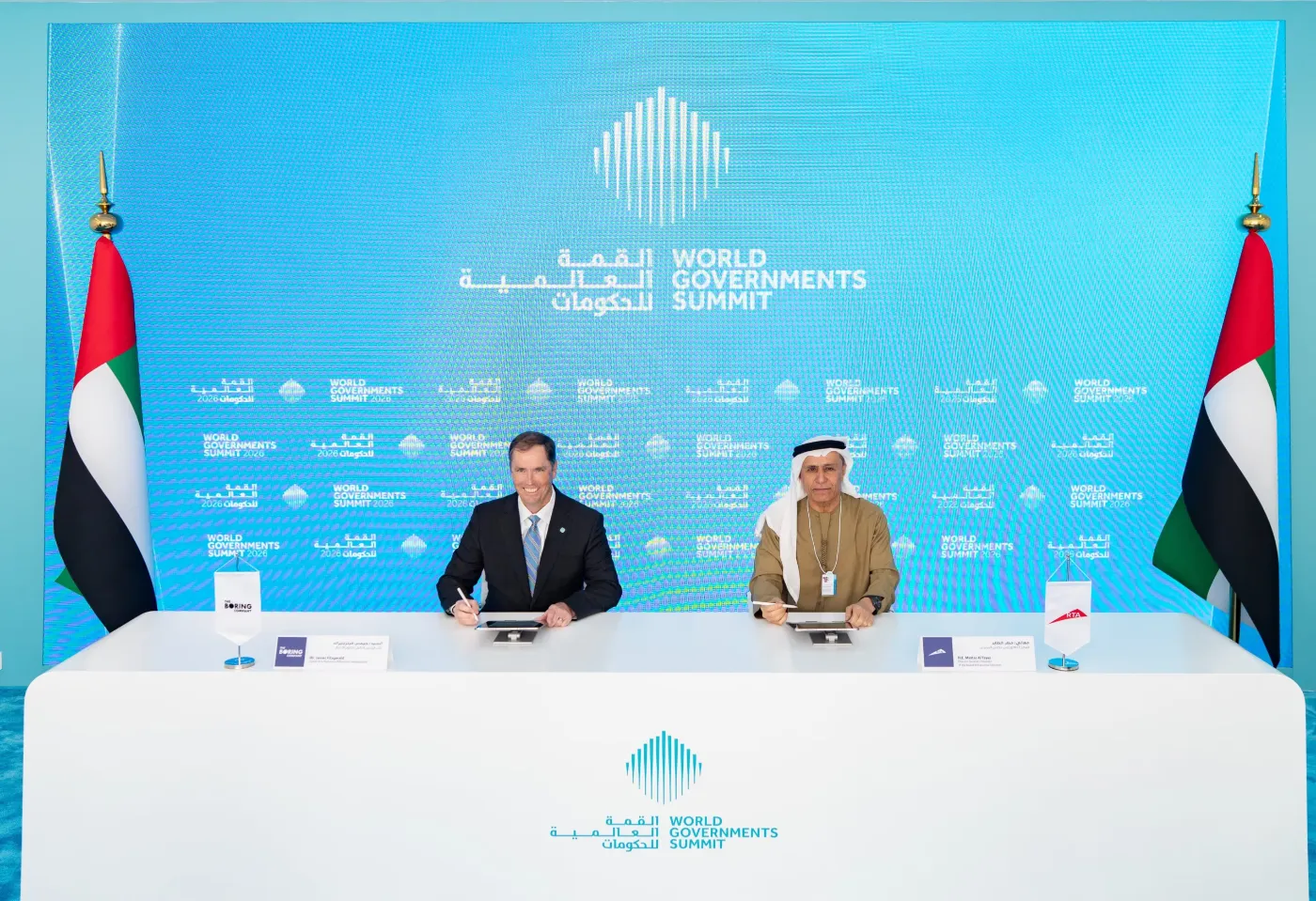
The timeline has become more realistic, too: the “mid-2026” opening that floated around earlier in the year is gone. Phase 1 is expected to take about a year once tunnelling begins, making 2027 the earliest realistic opening, with design finalisation and dozens of permits still to clear. A second phase, with 19 stations linking the World Trade Centre to Business Bay, would follow. For architects and urban planners, the interesting design problem isn’t the tunnels themselves but the station architecture: an entirely new category of civic infrastructure for a car-first city.
For me, the success of the Dubai Loop stations will depend less on what happens underground and more on how well they connect to the city above. Entrances need to be clear, pedestrian routes simple and direct, and the stations should connect naturally with nearby malls, offices and public spaces instead of feeling like separate transport boxes. If getting in, out or around the station feels confusing or inconvenient, people in a car-first city will simply keep driving.
Still Largely an Announcement: Dubai Creek Tower
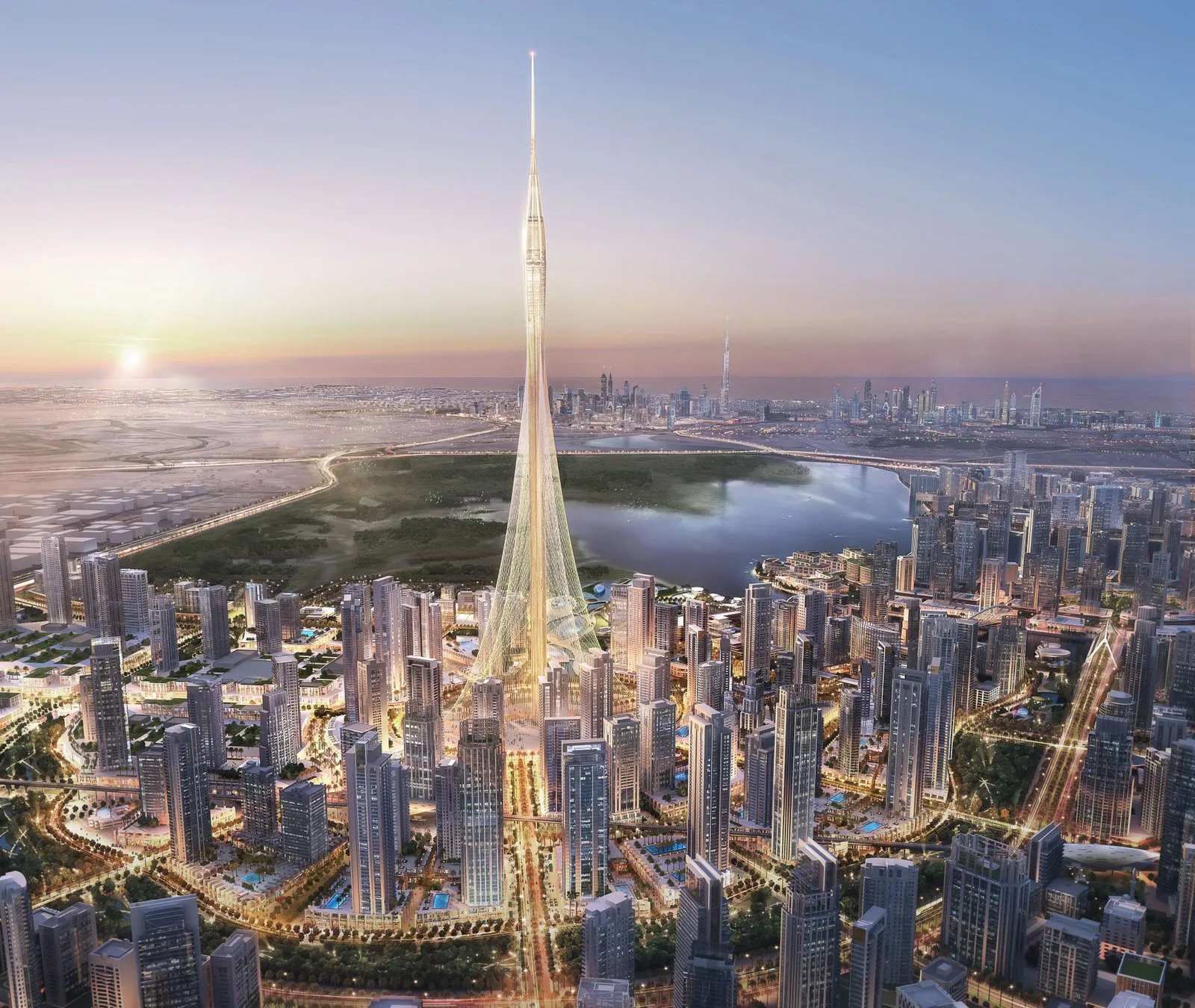
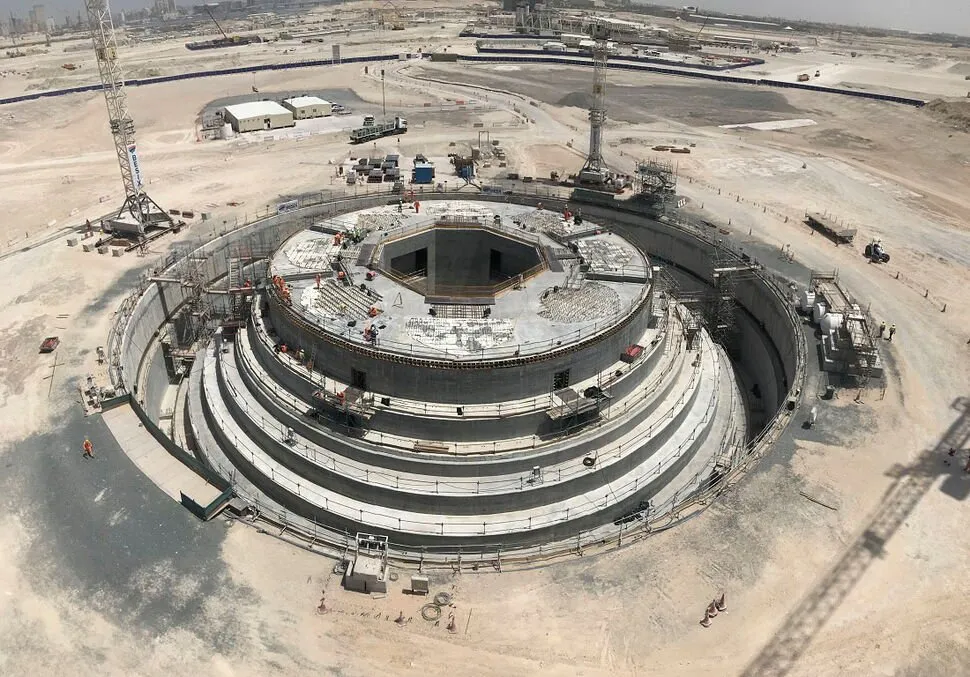
In January 2026, Emaar founder Mohamed Alabbar told the Dubai International Project Management Forum that the construction tender for the redesigned Dubai Creek Tower – the Santiago Calatrava-designed structure once positioned to beat the Burj Khalifa – would be issued “within three months.” That put the deadline at roughly mid-April 2026.
That deadline came and went. In June, Alabbar confirmed a further delay of three to four months, citing higher construction material costs after port closures – and as of October 2026, the tender still hasn’t gone out. The redesign itself has shifted philosophy – less about outright height, more about being an experience-led landmark and anchor for Dubai Creek Harbour – but the project remains, functionally, an announcement rather than a construction site. Worth revisiting once there’s an actual tender award to report, rather than another “coming soon.”
Beyond the Megaprojects: What’s Finished and What’s Quietly Rising
While the megaprojects dominate headlines, a handful of smaller projects tell a more grounded story about where Dubai’s architecture is heading:
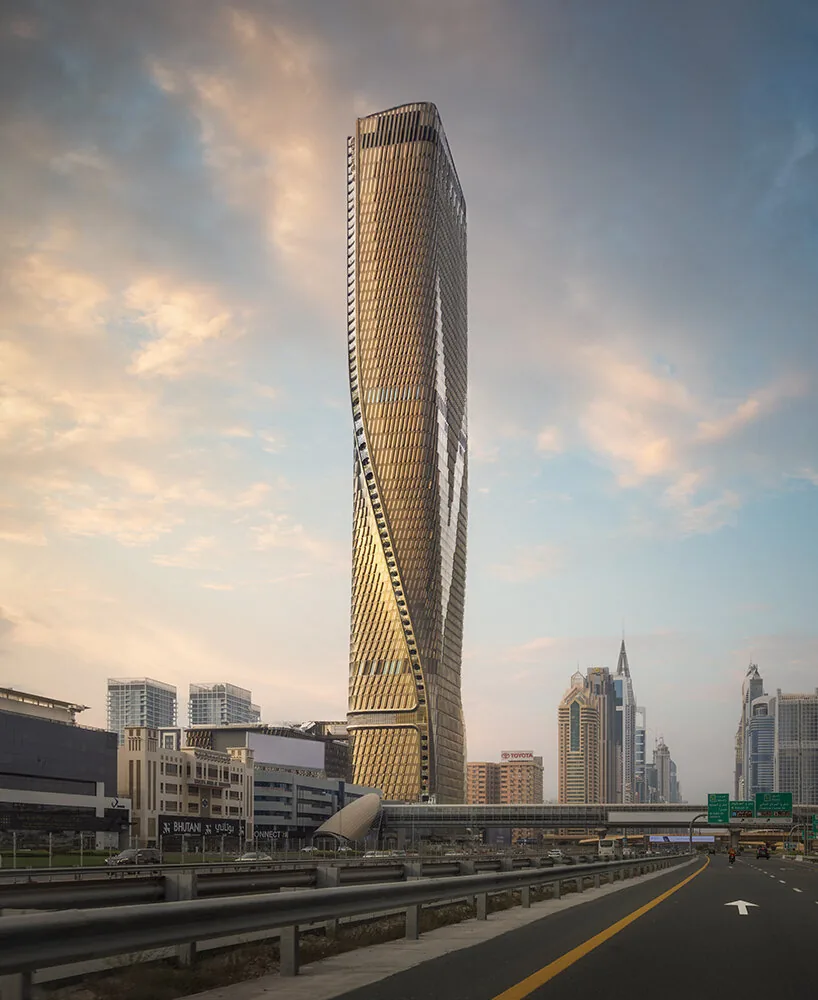
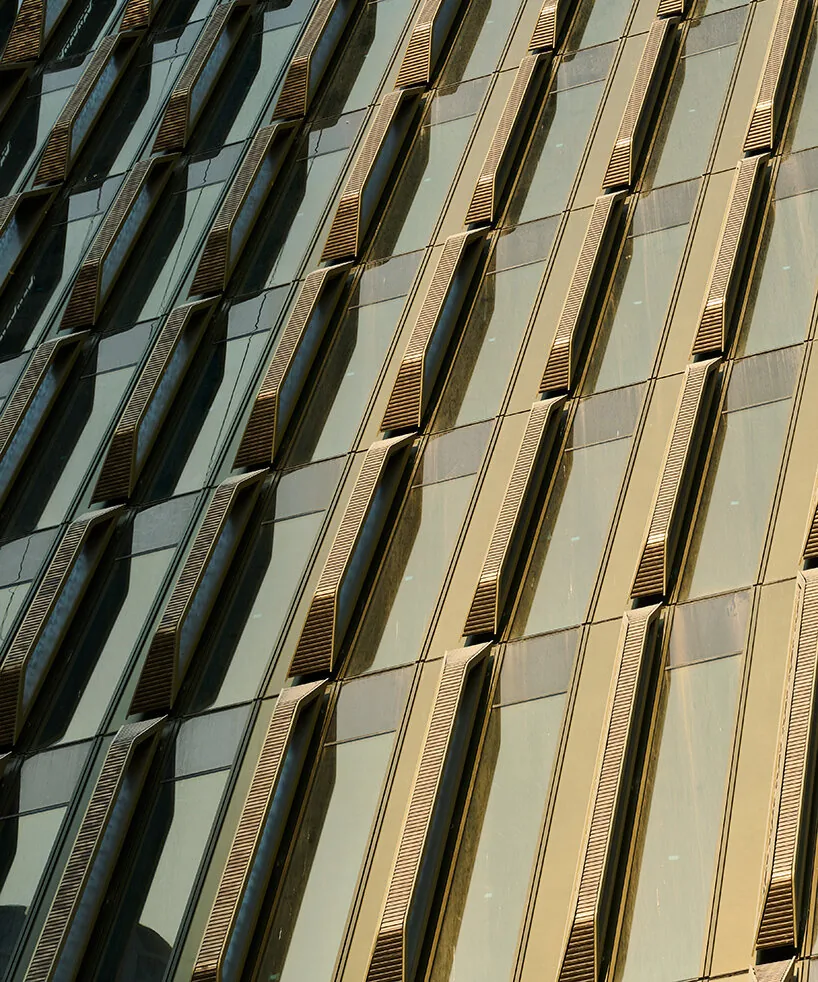
Built: Wasl Tower, completed in March 2026 (designed by UNS, with Werner Sobek as structural and sustainability engineer), leans into the UAE’s sustainability push rather than sheer scale: its ceramic fins cut solar heat gain by roughly 40 percent.
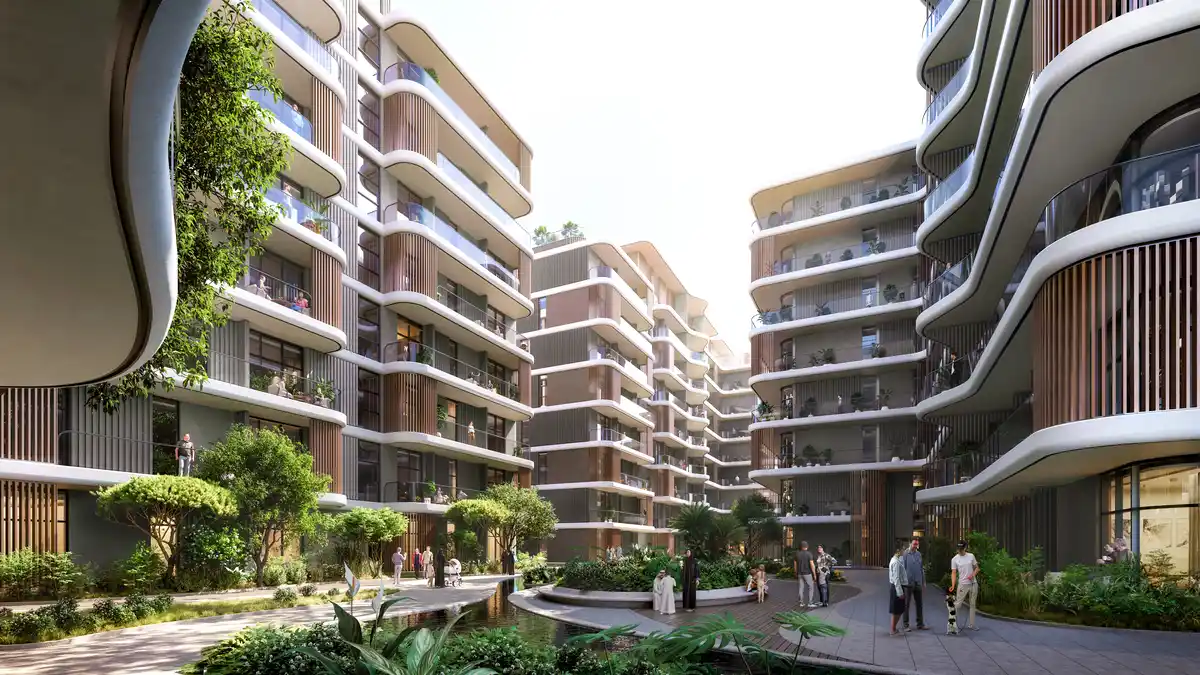
Under construction: The Cape at Al Barari, which broke ground in February 2026 and whose 10 Design-led design was unveiled in July, signals where a lot of near-term residential design attention is actually going – 20 minutes from Downtown and DIFC, considerably less flashy than a supertall tower, but the kind of project that will shape how people actually live day-to-day.
The Takeaway on Dubai Architecture 2026
The real story of Dubai architecture in 2026 isn’t a single record-breaking tower – it’s the widening gap between headline announcements and ground-truth construction. Al Maktoum Airport proves that when Dubai commits capital and contracts, projects move fast and stay on schedule – while the Dubai Loop shows that even committed projects take longer to get underground than the first announcements suggest. Dubai Creek Tower is a reminder that a confident announcement isn’t the same as a shovel in the ground. And the real texture of the city’s architecture this year is showing up in smaller projects – a sustainable tower here, a nature-led neighbourhood there – that don’t generate the same viral renders but arguably matter more to how Dubai actually gets built.
Sources
- Al Maktoum airport expansion on track for 2032 opening (AGBI, June 2026)
- Al Maktoum airport enters major construction phase (Fast Company Middle East, June 2026)
- Emirates to invest up to $12bn in Al Maktoum airport (AGBI, November 2025)
- Al Maktoum International Airport (Coop Himmelb(l)au project page)
- Coop Himmelb(l)au designs new Al Maktoum International Airport (ArchDaily, September 2024)
- Burj Binghatti Jacob & Co Residences (CTBUH Skyscraper Center)
- Burj Binghatti and its impact on Dubai real estate (Binghatti)
- Diamond spires crown the world’s tallest residential tower in Dubai (designboom)
- Dubai Loop project advances as tunnelling work moves ahead (Gulf News, September 2026)
- Dubai Loop: first four stations revealed (The National, February 2026)
- Dubai Creek Tower tender delayed amid cost concerns (Construction Review, June 2026)
- Dubai Creek Tower (Santiago Calatrava project page)
- Building with a twist: UNS adds a sleek silhouette to Dubai (Architectural Record)
- UNS’s completed Wasl Tower takes a contrapposto stance in Dubai (designboom, April 2026)
- Al Barari breaks ground on The Cape (Business Wire, February 2026)
- 10 Design unveils Al Barari’s nature-led residential development (Zawya, July 2026)
- The Cape, Al Barari masterplan residential property (e-architect, July 2026)